About the event
International Opera Award 2026
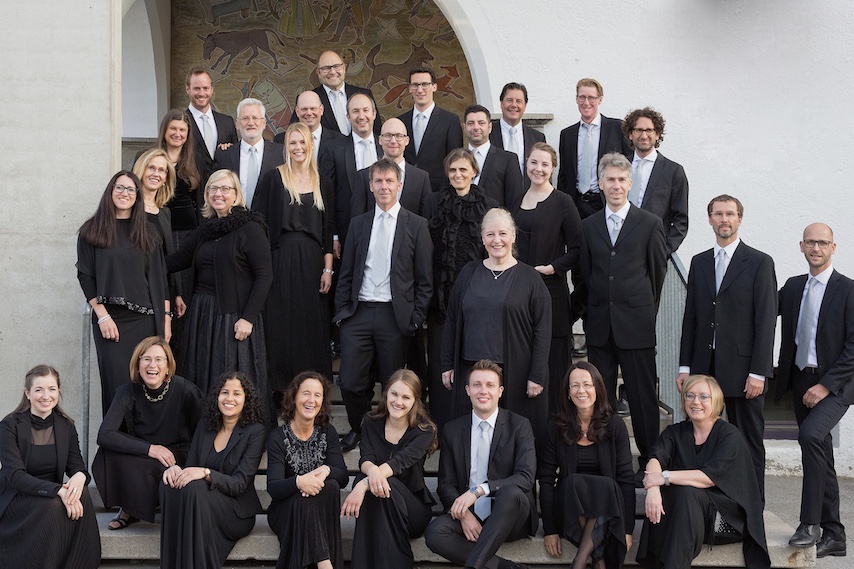
The production by the Innsbruck Festival of Early Music won the category Rediscovered Work at the International Opera Awards 2026. The vocal ensemble NovoCanto had the privilege of being part of this exceptional production under the musical direction of Ottavio Dantone.
Pietro Antonio Cesti’s monumental Baroque opera Il pomo d'oro is performed in the Grosses Haus of the Tiroler Landestheater. Originally composed for the wedding of Emperor Leopold I, the work is regarded as one of the most lavish opera projects of the 17th century. Six performances offer the chance to experience this rarely staged masterpiece.
Opera in 5 acts and a prologue by Pietro Antonio Cesti
Libretto: Francesco Sbarra
First performance: Vienna, 1668
Reconstruction of the music of the lost Acts III & V:
Ottavio Dantone
Performed in Italian with German and English surtitles
An opera over two evenings
Duration approx. 4 hours with one interval per evening
Pre-performance talk one hour before each performance
The Baroque opera par excellence
Splendour, abundance, spectacle: Pietro Antonio Cesti’s «Il pomo d’oro» was unique even at its premiere in 1668 – and at the same time an almost unperformable undertaking. The enormous effort involved, the sheer number of roles and, not least, the loss of the music for two acts – only the libretto survived – turned the opera into a legend over time. For the 50th anniversary of the Innsbruck Festival, Ottavio Dantone reconstructed the missing parts from fragments and from other works by Cesti, so that this festive opera can be heard complete for the first time since its premiere – magnificently staged by Fabio Ceresa and his team.
Over two consecutive evenings, the Festival not only conveys the pomp and spectacle that went hand in hand with Baroque opera in general, and with «Il pomo d’oro» more than any other, but also shows on stage how what is perhaps the most famous war of antiquity came about:
All the Olympian deities were invited to the wedding of the beautiful sea nymph Thetis and the mortal Peleus. Only one was left out: Eris, the goddess of discord. In her wounded fury she devised a trick: she threw a golden apple into the banqueting hall – bearing the fateful inscription «To the fairest». Juno, Venus and Pallas Athena immediately claimed the apple for themselves, sparking a contest in which divine dignity quickly gave way to all-too-human vanity. Paris, considered the most handsome of all mortals, was appointed by Jupiter to judge the dispute over «Il pomo d’oro». This set in motion the judgement that shapes Cesti’s opera across two evenings: intrigues, rivalries and amorous entanglements unfold in sparkling scenes, while behind all the splendour the shadow of the coming catastrophe is already visible – the Trojan War.
Yet the opera is far more than a mere display of mythological grandeur: amid gods, heroes and allegories, moments of comedy flash up again and again. The Olympians prove wilfully human and gloriously «ungodly» – with jealousy, self-praise and small acts of malice that lend the work an almost cabaret-like quality. «Il pomo d’oro» thus presents two levels, heavenly splendour and earthly life, which drive the plot sometimes intertwined and sometimes apart.
Historical background
«Il pomo d’oro» was commissioned in 1666 to celebrate the wedding of Leopold I and the Infanta Margarita Teresa of Spain. As her arrival in Vienna was delayed and the court theatre on the Cortina was not yet finished, the performance was postponed. The opera was then to be given in the winter of 1667/68 to mark the birth of their son Ferdinand Wenzel; after his early death in January 1668 the celebrations were naturally abandoned. It was finally premiered on 12 and 14 July 1668 in celebration of Margarita’s birthday and staged once more – for the last time – a week later.
Leopold, a passionate music lover, wrote the music for Act II, Scene 9 and Act V, Scene 5 himself; Johann Heinrich Schmelzer wrote the ballet music. The «remaining» music was composed by Cesti, who became imperial court Kapellmeister in 1665, having previously worked at the Sistine Chapel and, before that, as music director of the private chapel of Archduke Ferdinand Karl in Innsbruck. The stage sets created by Burnacini were later engraved in copper by Matthäus Küsel and published in various editions of the libretto. The names of those who took part in the premiere are unknown, apart from one «Vincentino» – a castrato who sang the role of Venus. The librettist Francesco Sbarra, who had already worked with Cesti in Innsbruck, remarked in the afterword to the extremely lavishly printed libretto:
«No small part in its success was played by the music, which was performed by the foremost virtuosos of this century and composed by Signor Cavalier Cesti, Honorary Kapellmeister to His Majesty, who, always admirable in his compositions, proved himself unsurpassable in this one.»
With its five acts and a preceding prologue, no fewer than 47 roles in the uncut original version and a total length of more than eight hours – which the Innsbruck Festival, as at the time of the premiere, spreads over two consecutive evenings – «Il pomo d’oro» is regarded as the epitome of Baroque court opera. Its demands overshadow those of most other Italian operas of the 17th century; even the elaborate spectacles that Lully created for Louis XIV ask for no more. The variety of its instrumentation, of its comic and serious elements, its arias and ensembles, its stage machinery and other scenic effects make this opera worthy of the Olympian position it has held in the history of opera since Guido Adler’s edition in the «Denkmäler der Tonkunst in Österreich» at the end of the 19th century.
What a fitting opera, then, with which to mark the 50th anniversary of the Innsbruck Festival of Early Music. And where, if not here and under the musical direction of Ottavio Dantone, could the «unperformable» be brought back to life?
Read more
Performers
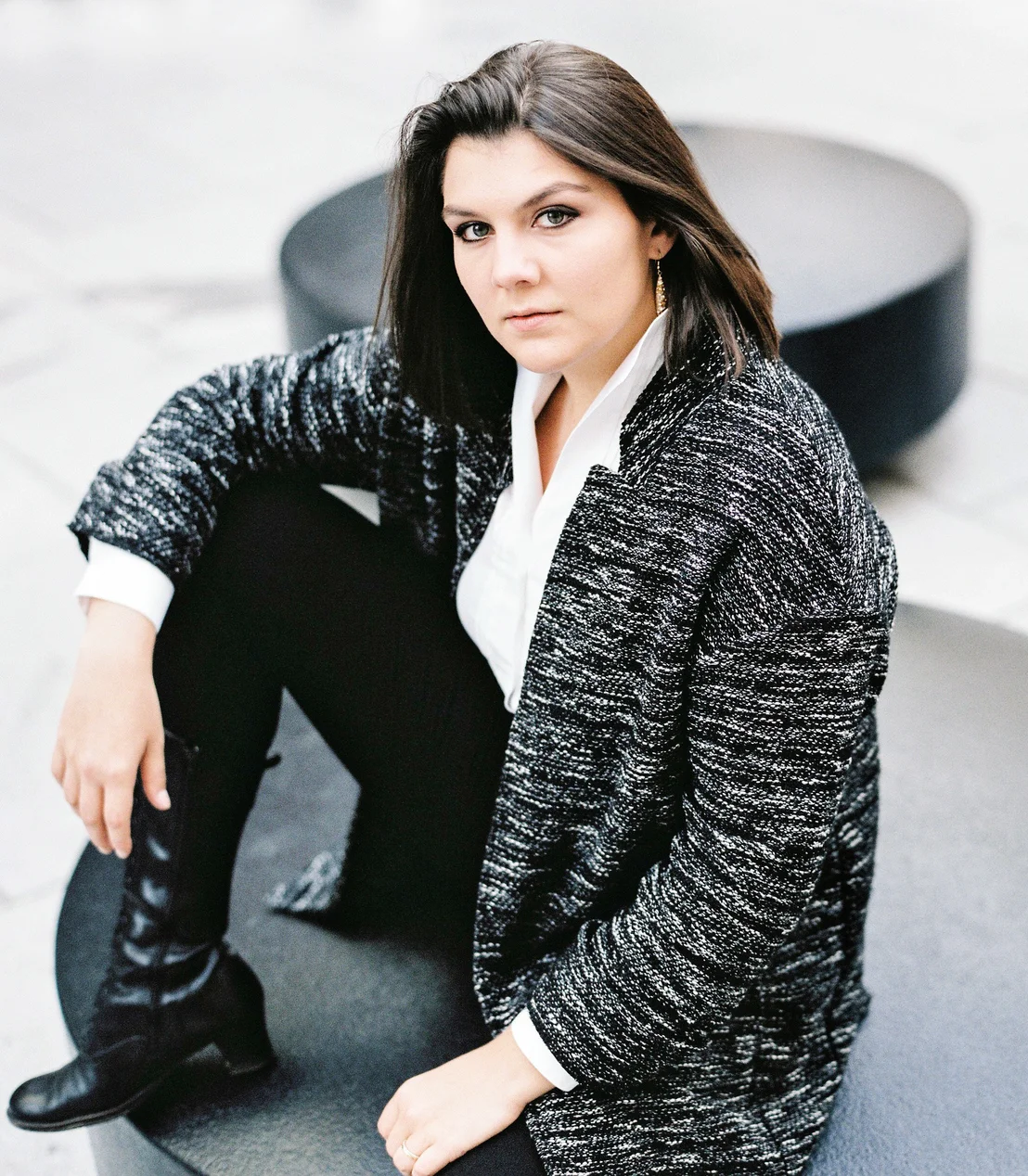
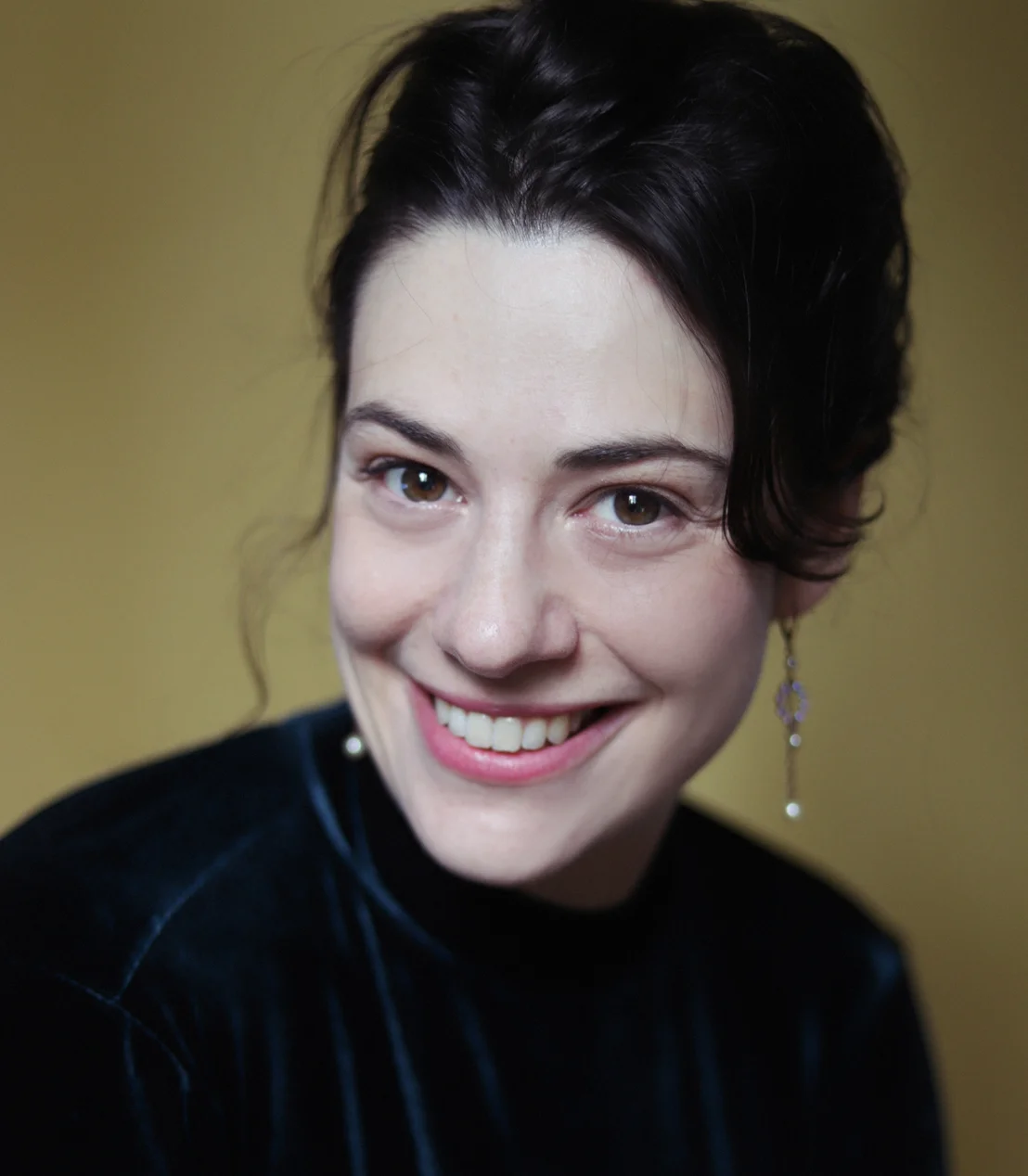
Sophie Rennert
Mezzo-soprano Gloria Austriaca & Giunone
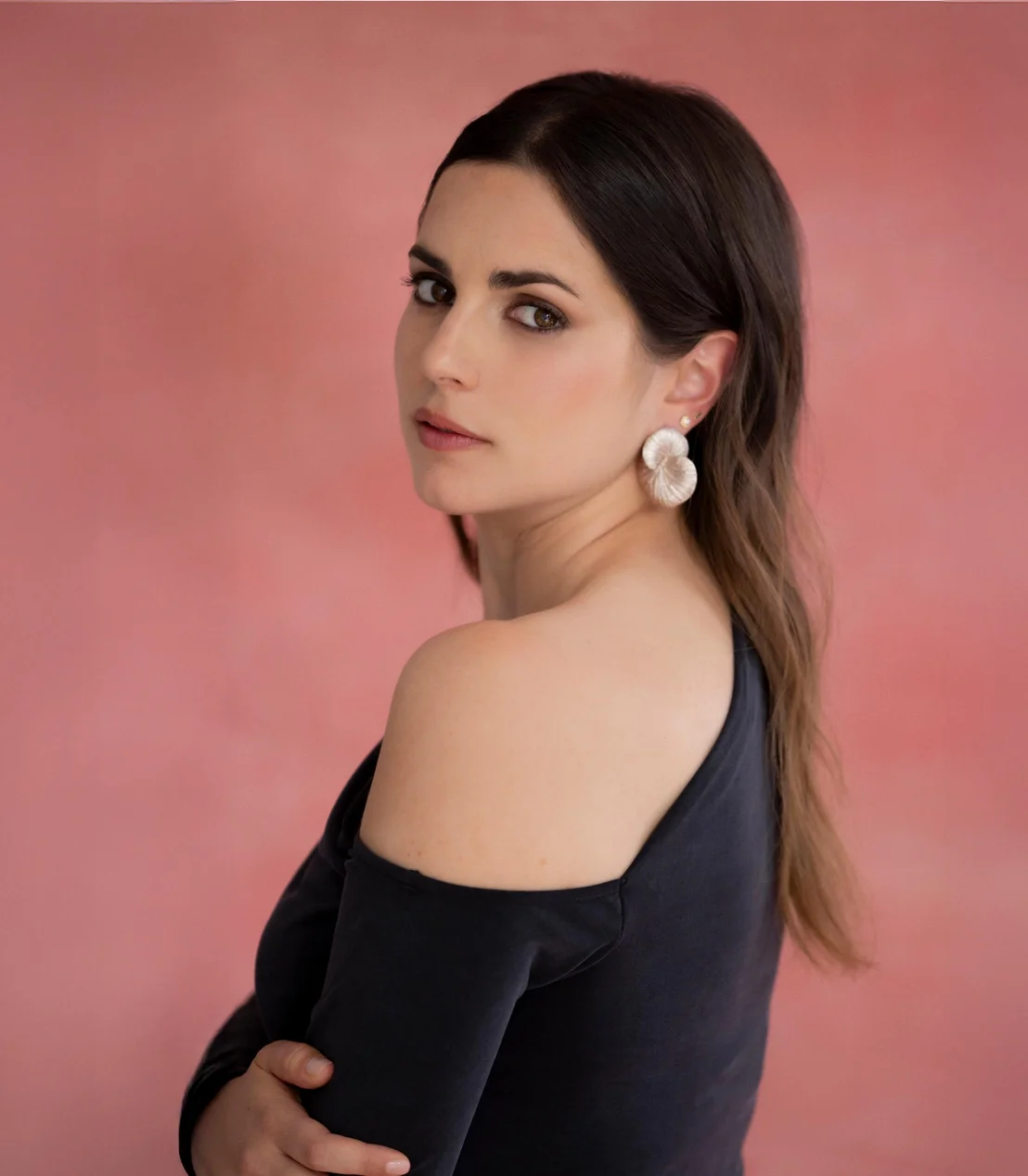
Jone Martinez
Soprano Spagna & Venere
Shira Patchornik
Soprano Sardigna & Pallade
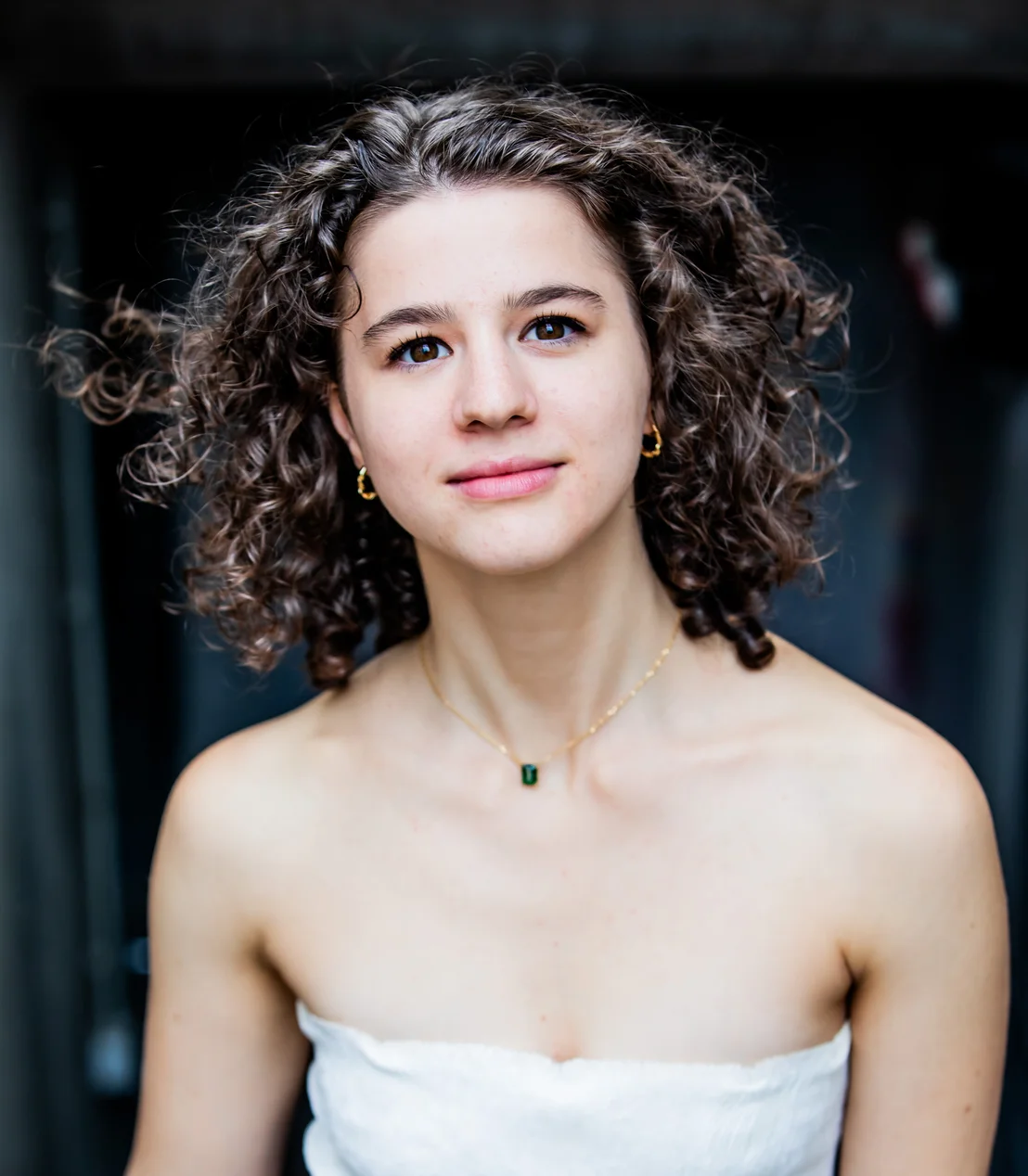
Neima Fischer
Soprano Proserpina & Tesifone & Aglaie
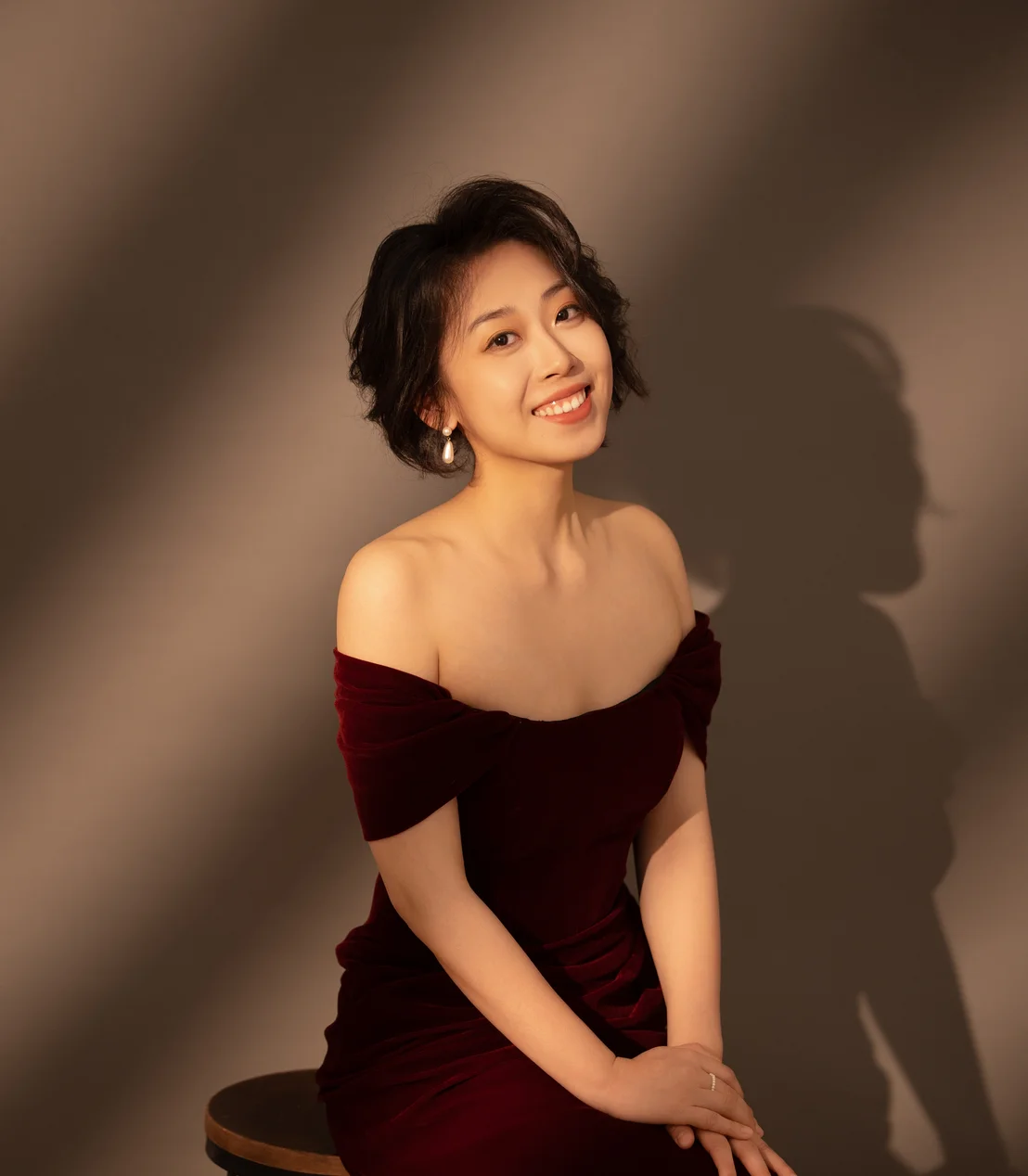
Jiayu Jin
Soprano Amore & Hebe & Zeffiro
Mathilde Ortscheidt
Alto Ennone
Vokalensemble NovoCanto
Chorus: gods, soldiers, maidens & (temple) servants
Street Motion Studio
Dance company
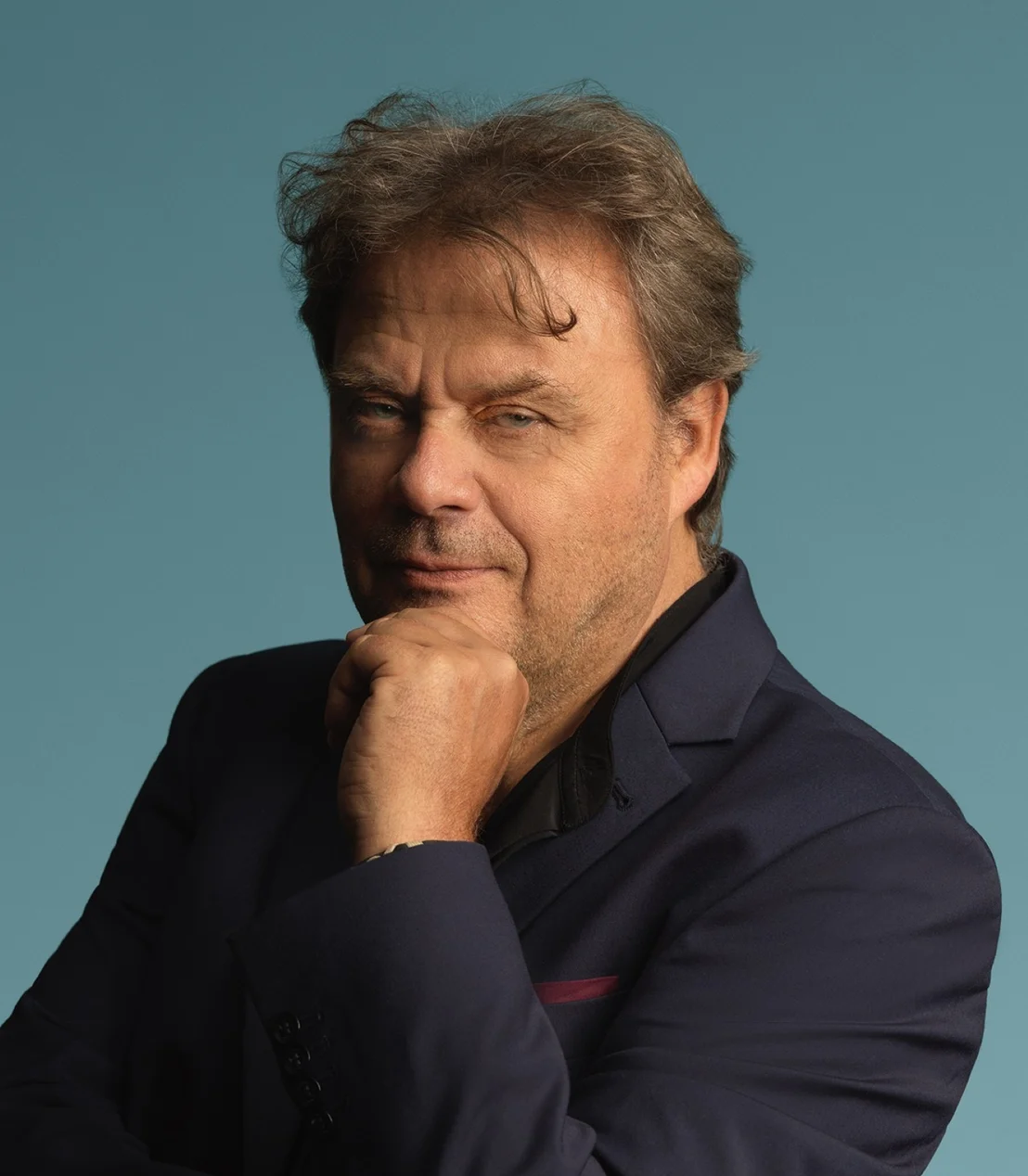
Ottavio Dantone
Musical direction
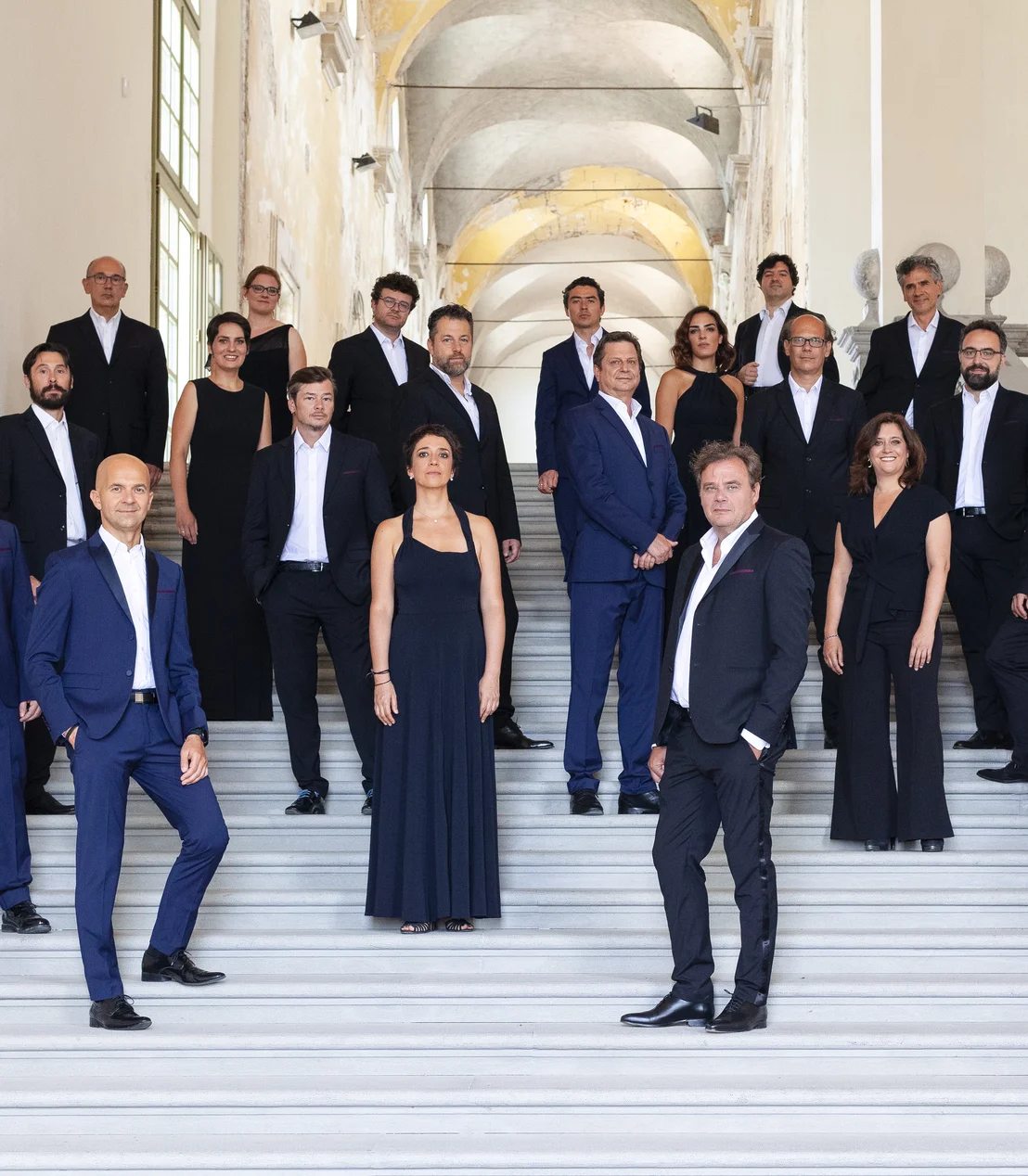
Accademia Bizantina
Ensemble
Fabio Ceresa
Stage direction
Brigitte Wurzer
Chorus master
José Coca Loza
Bass Plutone & Caronte & Sacerdote
Federico D. E. Sacchi
Bass Nettuno & Cecrope
Rocco Cavalluzzi
Bass Momo
Associazione Culturale Fattoria Vittadini
Dance company
Giacomo Nanni
Baritone Imperio & Giove & Eolo
Mauro Borgioni
Baritone Hongheria & Paride & Euro
Žiga Čopi
Tenor Marte & Austro
Alberto Allegrezza
Tenor America & Filaura
Danilo Pastore
Countertenor Megera & Volturno & Pasithea
Paul Figuier
Countertenor Boemia & Ganimede & Elemento del foco
Balázs Bán
Bass, Germania & Bacco